
By Yunusa Isa, Gombe
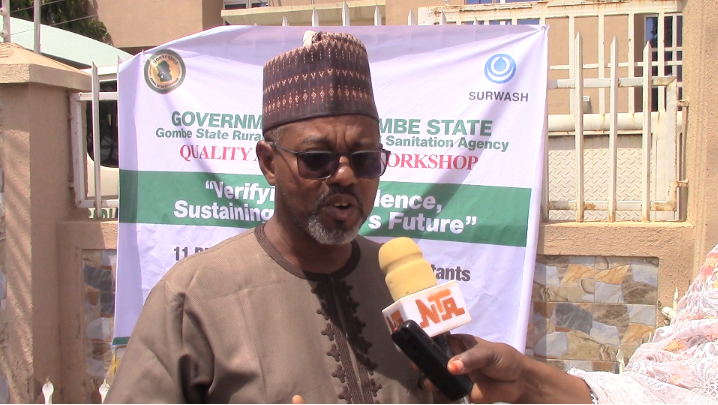
In a strategic move to ensure the longevity and effective management of public sanitation infrastructure, the Gombe State Rural Water Supply and Sanitation Agency (RUWASSA) has concluded a two-day quality assurance workshop.
The training, which targeted 45 monitoring and evaluation officers, local government desk officers, and assistants, focused on mastering real-time data gathering, processing, and management techniques for water and hygiene facilities across the state.
Engineer Muhammad Ahmad Gibirimu, the General Manager and Project Coordinator of the agency, emphasized that the initiative is central to the state’s broader public health goals.
“RUWASSA is committed to providing potable water and sanitation facilities to improve the living standards of the citizens,” Gibirimu stated.
He underscored the importance of the training in ensuring that critical infrastructure such as boreholes, public toilets, and waste collection centers remains functional for future generations.
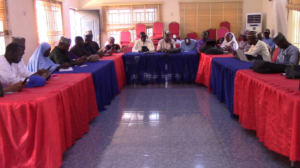
“I charge you to become change agents in your communities by cascading the knowledge gained here to other members of the society”, calling on residents to take ownership of the facilities and prioritize better hygiene practices.
The training was co-facilitated by Sustainable Urban and Rural Water Supply, Sanitation and Hygiene (SURWASH) program.
Engineer Usman A. Aliyu, the State Coordinator of SURWASH, highlighted that the program has already made significant strides in rehabilitating and upgrading hand-pump and solar-powered boreholes in schools, markets, and hospitals.
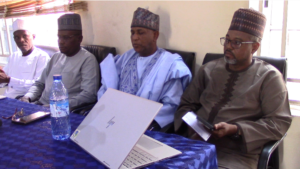
According to Aliyu, the overarching goal of these interventions is to “address disease outbreaks, end open defecation, and encourage personal and societal hygiene.”
He commended the Gombe State government for its continued support and urged the officers to maintain a proactive stance in monitoring and reporting the status of the assets.
Technical proficiency remained a primary focus of the workshop, with the Head of the Monitoring and Evaluation Unit for SURWASH, Belinda Amon Elisha, stressing the necessity of accurate reporting.
Elisha urged the participants to prioritize “timely supervision of facilities and real-time data transmission” to guarantee the long-term success and accountability of the projects.
Participants echoed the value of the training, noting that the session provided a clearer roadmap for community engagement and technical maintenance.
Aisha Muhammad Inuwa from Gombe Local Government and Enoch Sunday from Shongom Local Government both expressed satisfaction with the curriculum.
“We have learned a lot during the training, especially regarding best practices on data gathering, processing, and management,” Aisha said.
Sunday on the other hand added that they are now better equipped to “enlighten locals on hygiene” and provide accurate and actionable reports on the condition of vital water facilities.
Both participants praised the organizers for the intervention, pledging to integrate the new strategies into their daily operations to ensure improved service delivery for their respective communities.