
By Vasty Bala Jonah, Gombe
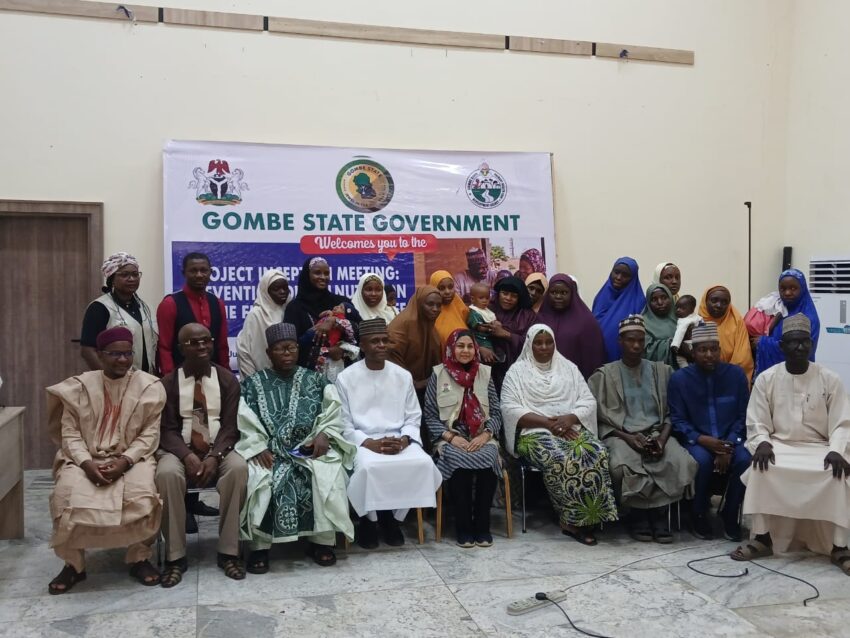
The fight against malnutrition in Gombe State has received a major boost with the launch of the Preventing Malnutrition in the First 1,000 Days of Life project, an initiative introduced by the Gombe State Government in partnership with UNICEF and with support from the Church of Jesus Christ of Latter-day Saints.
Aimed at scaling up efforts to tackle malnutrition and improve the health and nutrition of mothers and children across the state, the project seeks to protect children from the time of conception until their second birthday, a period experts describe as the most important stage for brain development, physical growth, and lifelong health.
Speaking at the launch on Monday, the Executive Secretary of the Gombe State Primary Health Care Development Agency (PHCDA), Dr. Abdulrahman Shuaibu, described malnutrition as one of the biggest public health challenges affecting children under the age of five, noting that nearly half of child deaths are linked to the condition.
“The nutrition situation in the state is worrisome, and malnutrition does not only affect a child’s physical growth but also damages brain development, weakens the immune system, and affects learning ability,” Dr. Shuaibu stated, explaining that affected children are more likely to perform poorly in school and become less productive as adults.
He highlighted that the new project will strengthen efforts to create awareness and educate families on maternal nutrition, antenatal care, skilled birth attendance, exclusive breastfeeding, and proper complementary feeding, while noting that the state government has already taken critical steps, including establishing food and nutrition committees, releasing N500 million to procure Ready-to-Use Therapeutic Food and other commodities, and supporting local complementary food production.
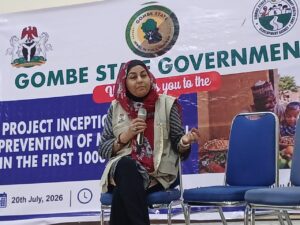
While appreciating UNICEF and development partners, Dr. Shuaibu emphasized that government alone cannot solve the problem and called for stronger collaboration with civil society organizations, traditional and religious leaders, and community groups. Reinforcing this perspective, the UNICEF Chief of Field Office in Bauchi, Dr. Nuzhat Rafique, explained that the project is supported through a special grant from the Church of Jesus Christ of Latter-day Saints to strengthen maternal and child nutrition services. “The first 1,000 days of life provide a unique opportunity to ensure healthy brain development, proper growth, and strong immunity,” Dr. Rafique said, warning that malnourished children may suffer permanent damage to their intelligence and future productivity even after treatment.
She outlined that the project will focus on strengthening planning, coordination, and financing; improving health, food, and social protection systems; and promoting positive behavior change through education on hygiene and healthy nutrition practices, while calling on stakeholders to increase funding and improve data usage for monitoring.
Providing technical insights during her presentation, UNICEF Nutrition Specialist Philomena Irene reiterated that preventing malnutrition starts with good nutrition for pregnant women, regular antenatal care, skilled delivery, early and exclusive breastfeeding for six months, and the timely introduction of safe, nutritious complementary foods.