
By Vasty Bala Jonah, Gombe
The Civil Society Legislative Advocacy Centre (CISLAC) has called for stronger tobacco control measures, including higher taxes on tobacco products, to reduce consumption and protect public health, particularly among women and young people.
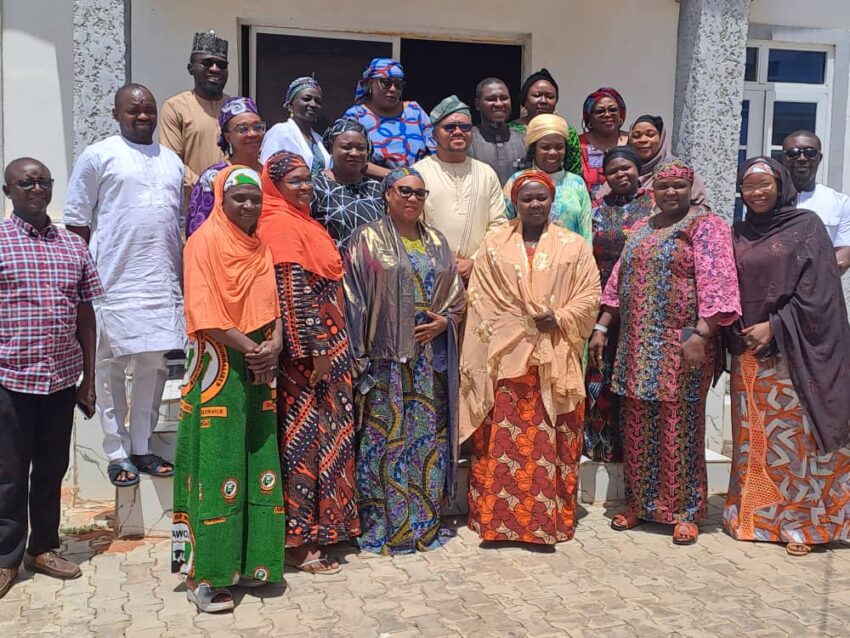
The call was made during a one-day engagement with female journalists on Gender Mainstreaming in Tobacco Control held at White Hill Hotel, Gombe organized by CISLAC on Wednesday.
Speaking at the event, CISLAC Senior Finance Officer, Mohammed Murtala, who represented the organisation’s Executive Director, Comrade Auwal Musa Rafsanjani, said the training was aimed at equipping women journalists with the knowledge and skills to report tobacco issues from a gender perspective.
Murtala said tobacco use and exposure have serious health consequences for women, adding that journalists have a key role in raising public awareness, particularly among young people who are often targeted through peer influence and deceptive marketing strategies by tobacco companies.
He warned that tobacco products are highly addictive and stressed that preventing young people from starting the habit is more effective than helping them quit later in life.
The CISLAC representative also called on state governments to domesticate the National Tobacco Control Law to improve enforcement and protect citizens, especially non-smokers exposed to tobacco smoke in public places.
CISLAC Programme Manager, Solomon Adoga, raised concerns over tobacco companies’ marketing strategies targeting women and youths, particularly through flavoured tobacco products designed to make smoking appear attractive and less harmful.
He explained that flavoured tobacco products contain the same harmful substances as regular tobacco products and warned against misconceptions that they are safer because of their taste and smell.
Adoga further advocated higher tobacco taxes, noting that Nigeria’s current tobacco excise tax regime remains below the recommended benchmarks of the Economic Community of West African States (ECOWAS) and the World Health Organisation (WHO).
He said increasing taxes would make tobacco products less affordable, discourage consumption, reduce tobacco-related diseases and help address the economic and social consequences of addiction.
The state Chairperson of NAWOJ Abigail Kolo, described tobacco use as a major public health concern and pledged the commitment of women journalists to intensify awareness campaigns against tobacco consumption across the state.
Participants were urged to use their media platforms to expose misleading tobacco industry tactics, promote stronger tobacco control policies and educate the public on the health, economic and social dangers of tobacco use.