
By Saeed Ahmad Bappah, Gombe
As the world marked United Nations Public Service Day on June 23, the global spotlight turned toward the essential role of civil servants in driving societal progress.
While the occasion which is observed annually celebrates the value of public service and encourages professionalism, transparency, and innovation, it also serves as a crucial moment for introspection.
In Gombe State, the day provided a platform to reflect on the state’s ongoing administrative transformation and the commitment of its workforce to meeting the evolving needs of citizens.
Central to this year’s global theme, “Transforming Public Institutions: Advancing Innovation, Participation, and Inclusion,” is the rigorous modernization agenda currently reshaping Gombe’s civil service.
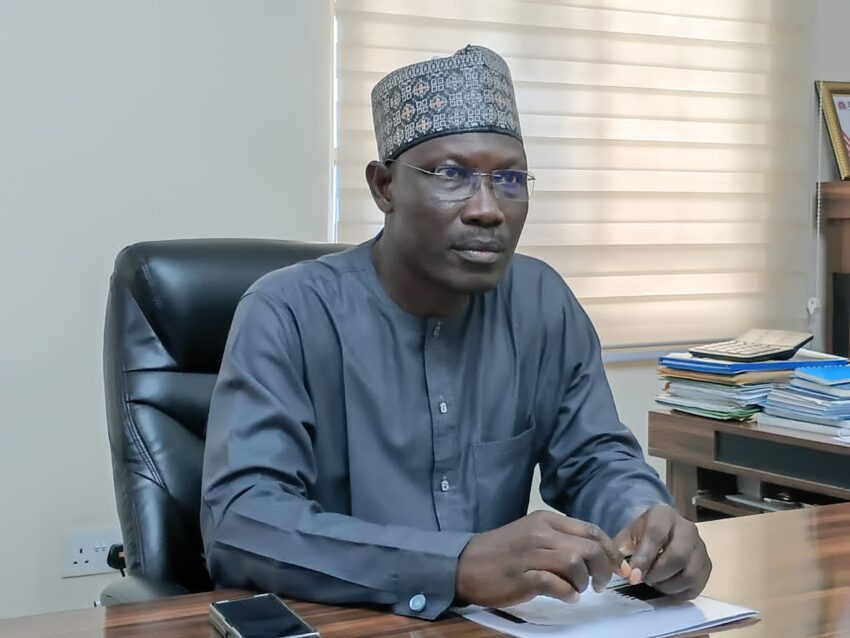
Sulaiman Kwami, Permanent Secretary in the Ministry of Energy and Mineral Resources, who is overseeing the Gombe State Civil Service Commission, underscored that the day is more than a celebration.
“World Civil Service Day offers an opportunity to assess the performance and achievements of the civil service while addressing challenges and strengthening reforms to enhance governance and service delivery,” Kwami stated.
Under the administration of Governor Inuwa Yahaya, the state has moved aggressively to modernize its administrative landscape. Key initiatives, such as the deployment of biometric attendance machines across all ministries, departments, and agencies (MDAs) in the 11 local government areas, have been paired with rigorous physical verification exercises.
Furthermore, the introduction of standardized examinations for the appointment of Permanent Secretaries and Directors signals a shift toward a merit-driven bureaucracy.
The institutionalization of these changes is spearheaded by the Bureau of Public Service Reforms. According to its Director-General, Abubakar Hassan, Gombe occupies a unique position in the nation. “Gombe State is among the few states in Nigeria that established a Bureau of Public Service Reforms,” Hassan noted, highlighting that the bureau has been instrumental in dismantling outdated practices.
“The reforms introduced promotion examinations for civil servants, unlike in the past when promotions were often viewed as automatic.”
This systemic shift has earned praise from across the state’s leadership.
Ahmed Guli, Permanent Secretary of the Ministry of Agriculture and Animal Husbandry, described the current trajectory of the Gombe State civil service as a “model worthy of emulation.”
However, the pursuit of excellence remains a collaborative endeavor between the government and the workforce.
Comrade Yusuf Ash, Chairman of the Nigeria Labour Congress (NLC), Gombe State Chapter, urged leaders at all levels to sustain policies that bolster the motivation and effectiveness of workers.
“Governments should formulate policies and reforms that would further encourage civil servants to carry out their responsibilities diligently and effectively for the development of all sectors,” Ash advised.
For the individual civil servant, the impact of these reforms is balanced by a focus on welfare.
Maryam Ibrahim, a civil servant in the state, expressed appreciation for the government’s efforts to clear long-standing backlogs, noting, “I commend Governor Inuwa Yahaya’s administration for the payment of outstanding gratuities and other benefits inherited from previous administrations.”
While acknowledging these strides, she emphasized the continued importance of financial incentives, adding that the government should ensure “the regular payment of promotion arrears to all eligible civil servants.”
As Gombe continues to align its public sector with the UN’s vision of innovation and inclusivity, the consensus among leadership and the workforce is clear: the path to development is paved by a professional, transparent, and well-supported civil service.