
By Yunusa Isa, Gombe
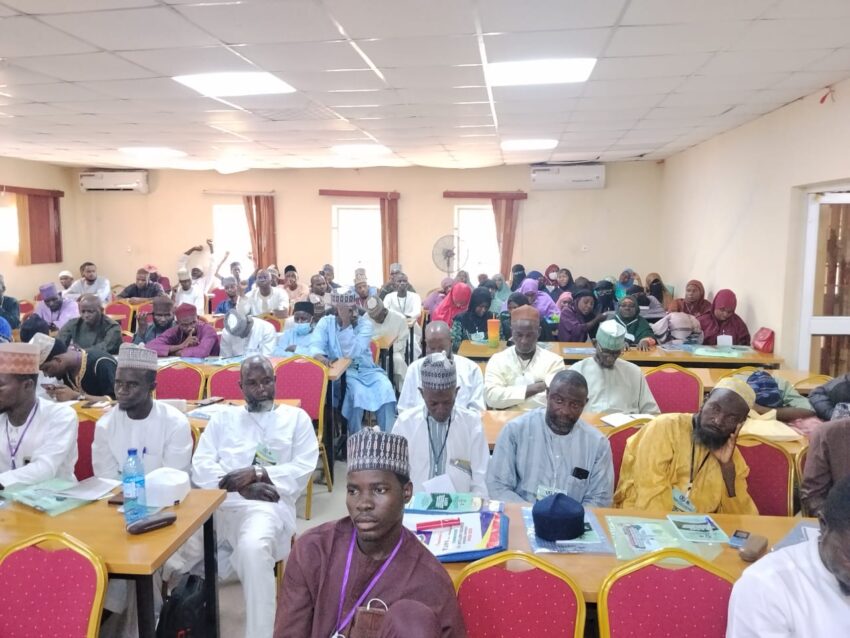
The International Institute of Islamic Research and Development, Gombe State University has concluded an intensive six-day workshop for members of the Islamic Medical Practitioners Association of Nigeria (IMPAN) to sanitize and professionalize prophetic and alternative medicine.
The capacity building program drew participants from across Nigeria as well as neighboring countries, including Niger, Cameroon, and Chad.
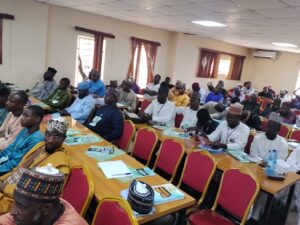
It was designed to equip practitioners of traditional, herbal, and spiritual medicine with modern diagnostic skills, ethical frameworks, and a clearer understanding of when to refer patients to conventional healthcare facilities.
Speaking to journalists, the Director of the Institute, Professor Shamsuddeen Umar Ilyas, explained that the primary objective was to educate participants on how to accurately differentiate between medical ailments and spiritual afflictions, ensuring the correct approach is applied to each case.
“The workshop was organized mainly to educate, enlighten, and share knowledge with prophetic medical practitioners to ensure they align with modern medical practices and enhance service delivery,” Professor Ilyas stated.
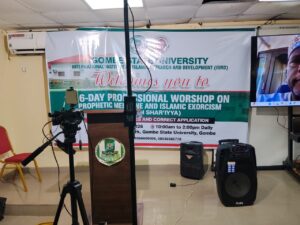
He noted that the engagement has successfully equipped participants with contemporary skills in herbal research, medicine administration, and the strict operational guidelines governing Islamic exorcism (Ruqiya) and cupping therapy (Hijama).
Professor Ilyas also commended the Vice-Chancellor of Gombe State University for providing the backing necessary to make the program a success, while urging practitioners of Ruqiya to strictly adhere to the provisions of Quran and the Sunnah of the Prophet.
The Local Organizing Committee noted that experts from conventional medicine, orthodox science, and traditional health sectors were brought together to foster cross-disciplinary collaboration.
Muhammad Ajuji, a member of the committee, urged participants to cascade the knowledge gained throughout their respective networks to refine their practices.
Representing the beneficiaries, the Gombe State Secretary of IMPAN and Chairman of Ibnul Qayyim Islamic Herbal, Aliyu Muhammad Haran, described the workshop as a vital “eye-opener.”
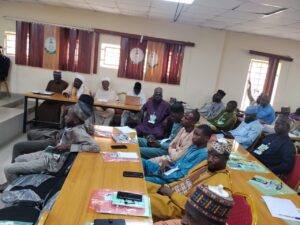
He emphasized that alternative medicine must be treated as a knowledge-based and research-driven enterprise.
“This training has taught our members better patient handling and how to foster cordial relationships with modern medical practitioners,” Aliyu said.
He revealed that the association is actively enforcing disciplinary measures to ensure compliance with regulatory standards, including a crackdown on the use of inappropriate imagery and expressions on medicine packaging to safeguard cultural and religious values.
Participants lauded the initiative for bridging a long standing gap in their field. Adamu Sanusi Adamu and Dr. Asma’u Mashasha, a participant from Katsina State, noted that the training provided novel strategies for business improvement and patient care.
They urged fellow practitioners to embrace the virtues of trust, empathy, and continuous learning to elevate the standards of prophetic medicine across the region.